
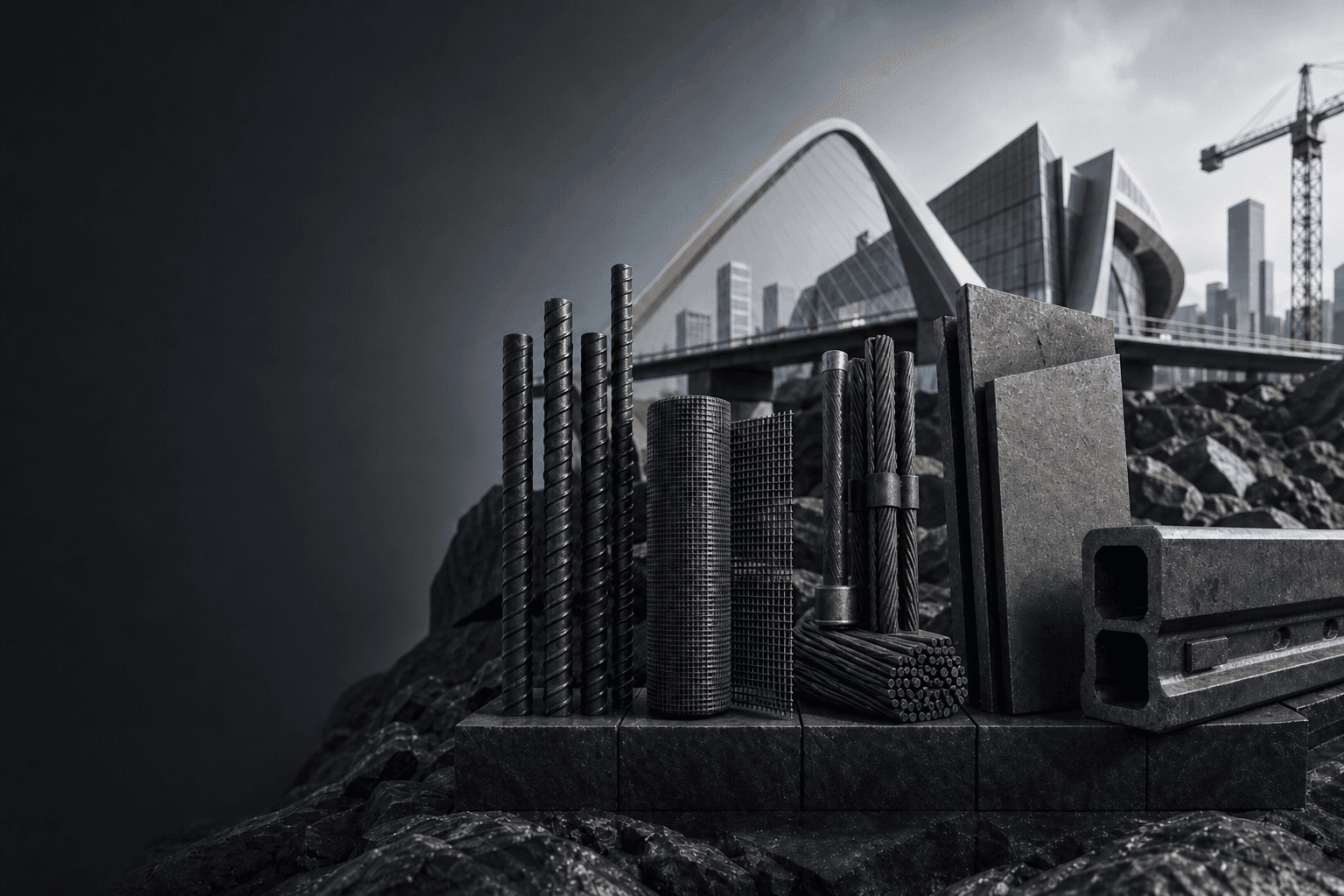
Basalt innovationsfor a more sustainable future
Six specialized production lines from volcanic basalt rock, delivering innovative solutions for multiple sectors with exceptional strength, high efficiency, and a longer operational life than conventional materials.
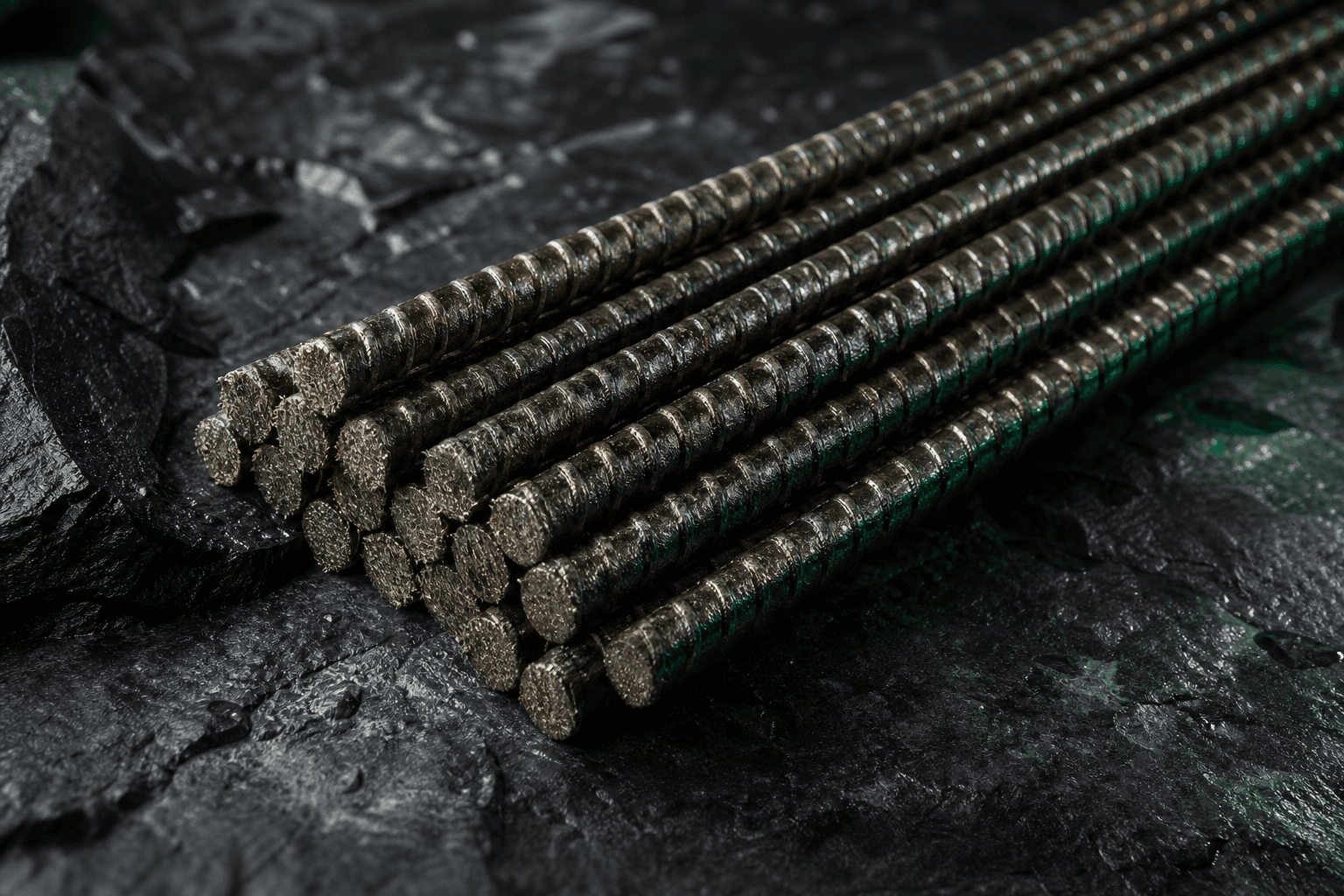
Basalt FRP rebar
Non-metallic reinforcement rods produced by pultrusion with epoxy resin. Twice as strong and five times lighter than steel, naturally resistant to alkali, rust and acids — ideal for sea defences, transport infrastructure, roads and bridges where steel would corrode.
Basalt FRP rebar
Technical specifications
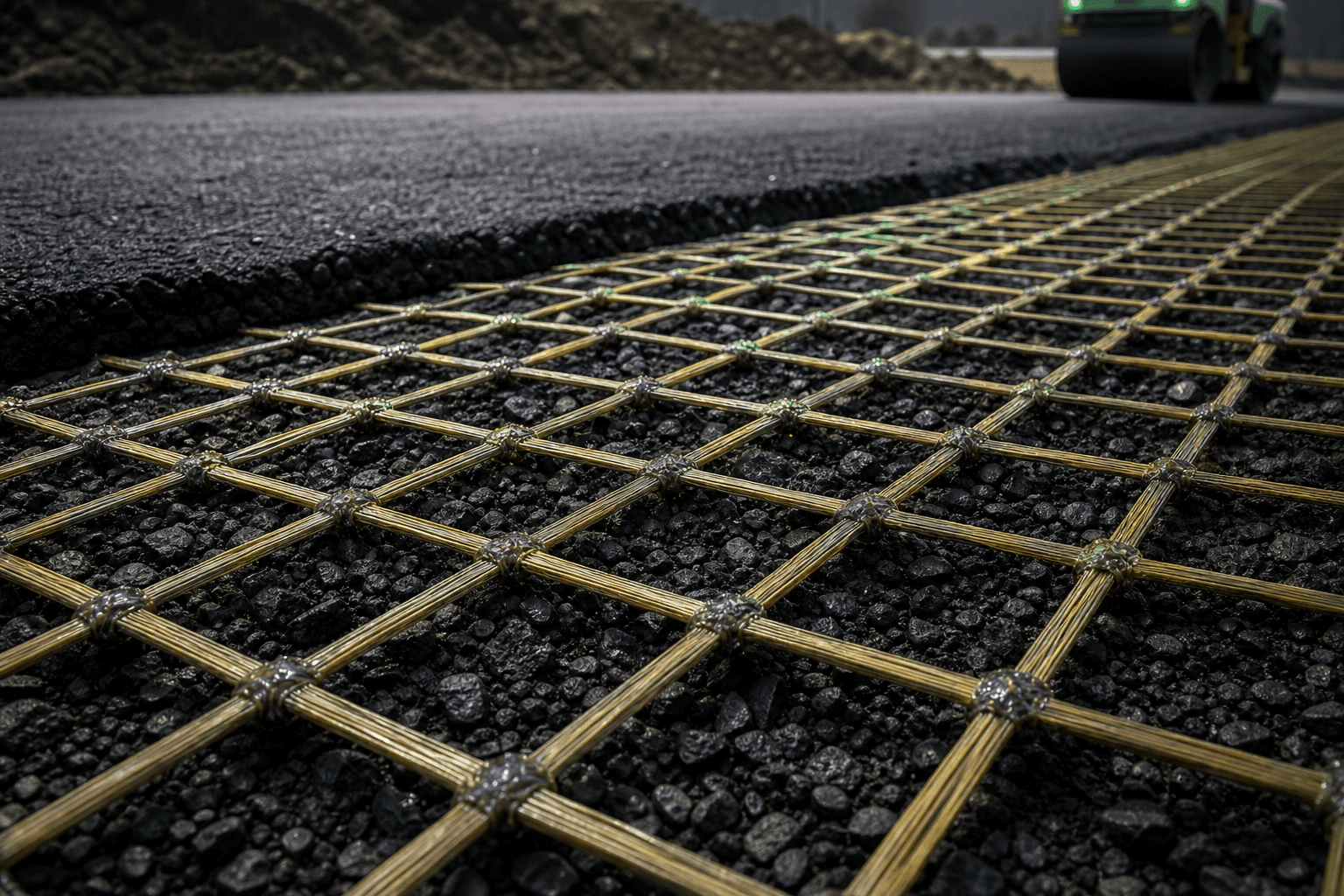
Basalt geogrid for roads
Basalt roving grid with acrylic impregnation and polyester thread for reinforcing road surfaces. Distributes load evenly, relieves internal stress in asphalt concrete and prevents cracking — saving up to 35% on building materials over a 35–40 year service life.
Basalt geogrid for roads
Technical specifications
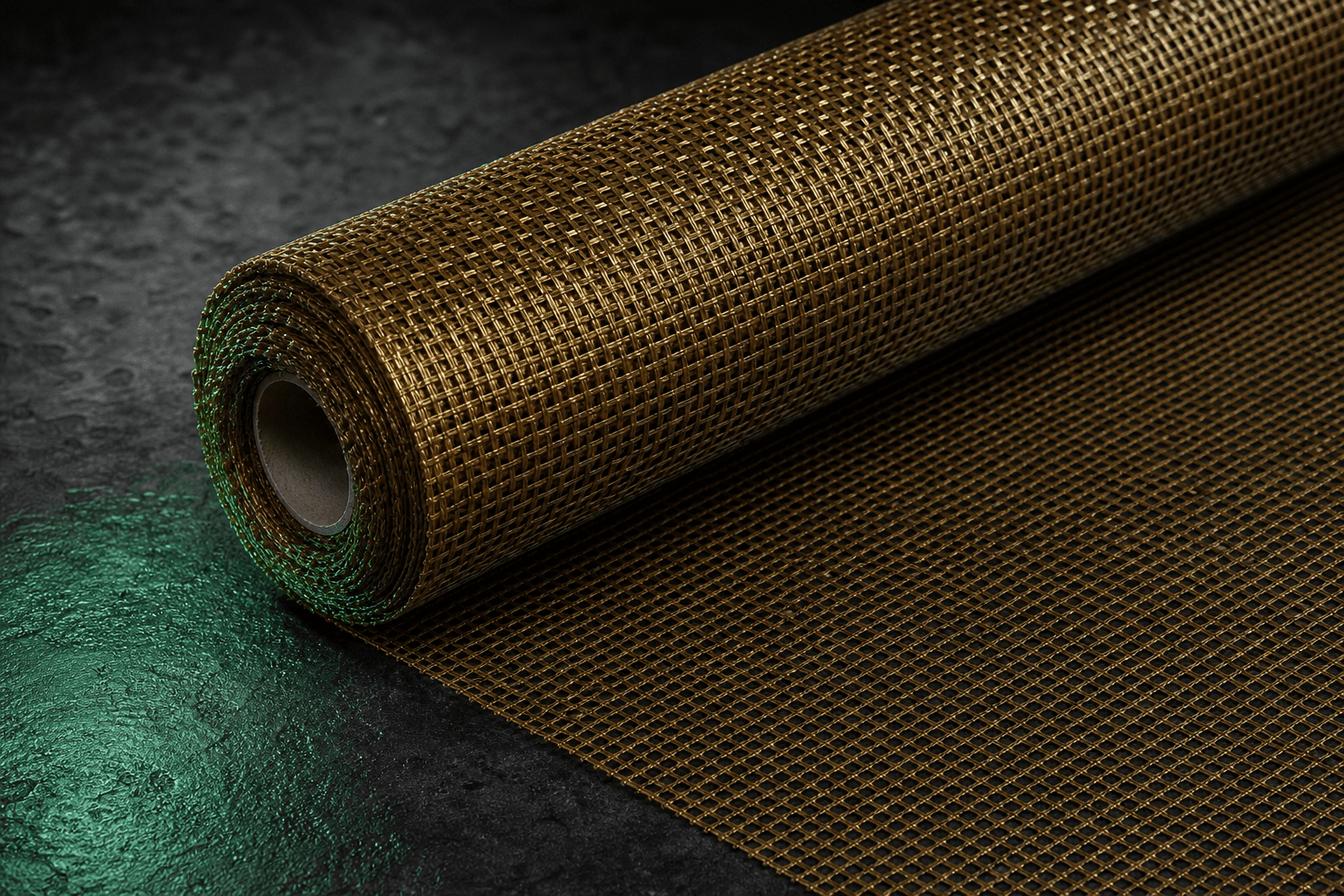
Basalt construction & masonry mesh
Basalt roving mesh with acrylic impregnation and polyester thread — an economical substitute for steel mesh. Low thermal conductivity removes cold bridges and it retains strength in aggressive environments, seismic regions and temperature swings.
Basalt construction & masonry mesh
Technical specifications
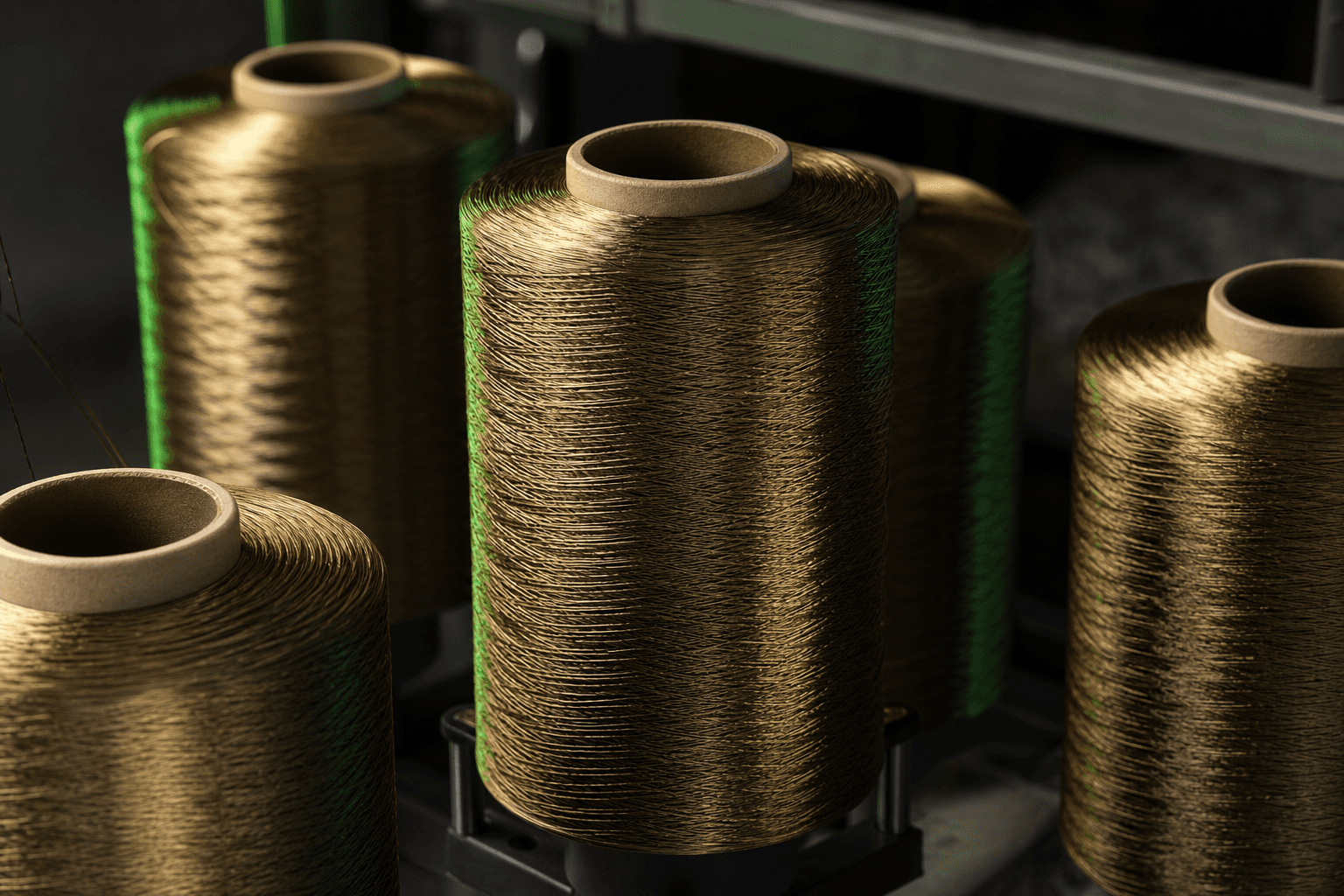
Basalt multi-end roving
A bundle of continuous unidirectional basalt filaments with high structural strength and resistance to aggressive environments. Used across mechanical engineering, aerospace, shipbuilding, automotive, energy and composite building materials.
Basalt multi-end roving
Technical specifications
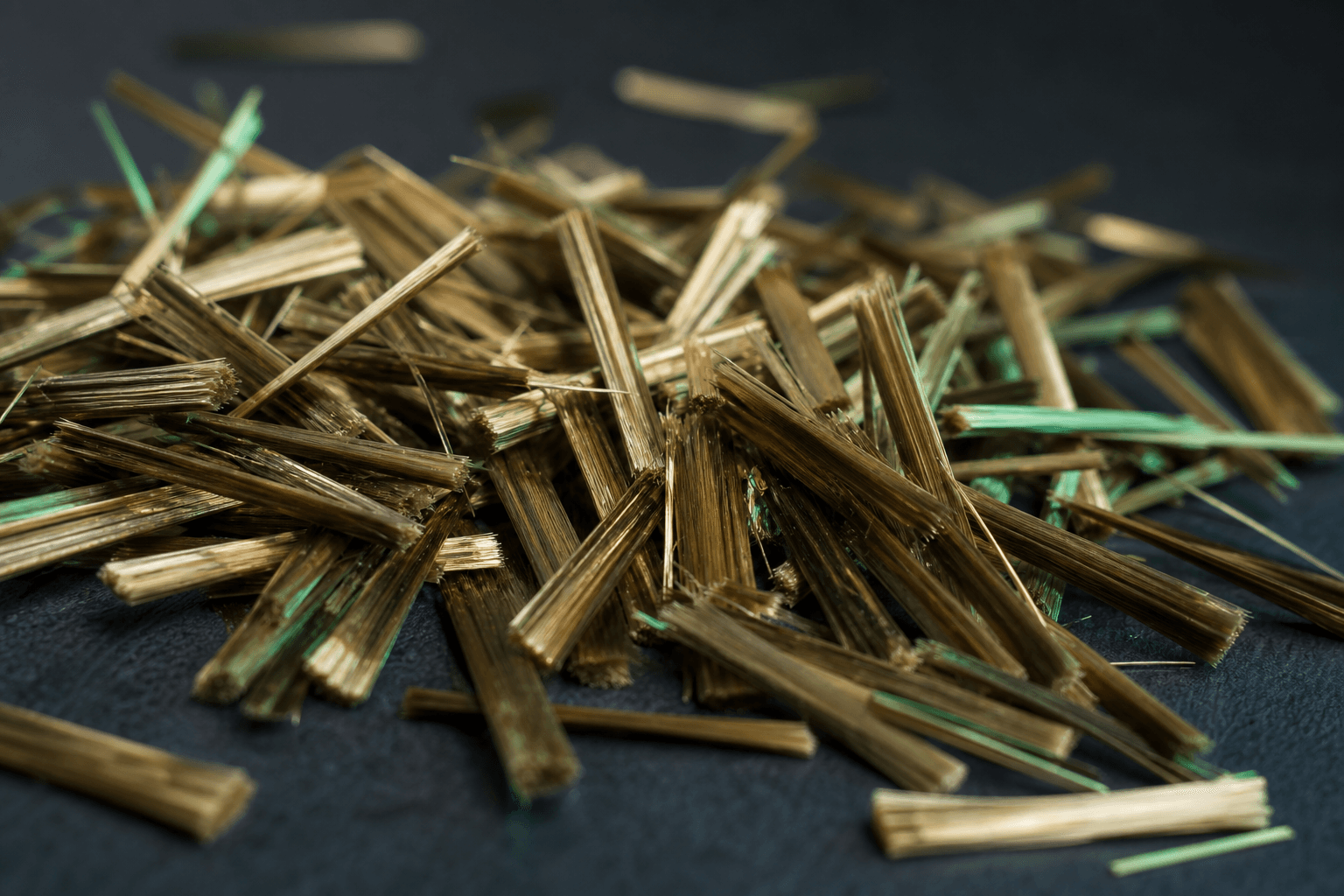
Basalt chopped fibre
Continuous basalt fibre chopped to short lengths for three-dimensional reinforcement of concrete, plaster and plastics. Boosts crack resistance, durability and impact strength while reducing cement and water consumption.
Basalt chopped fibre
Technical specifications
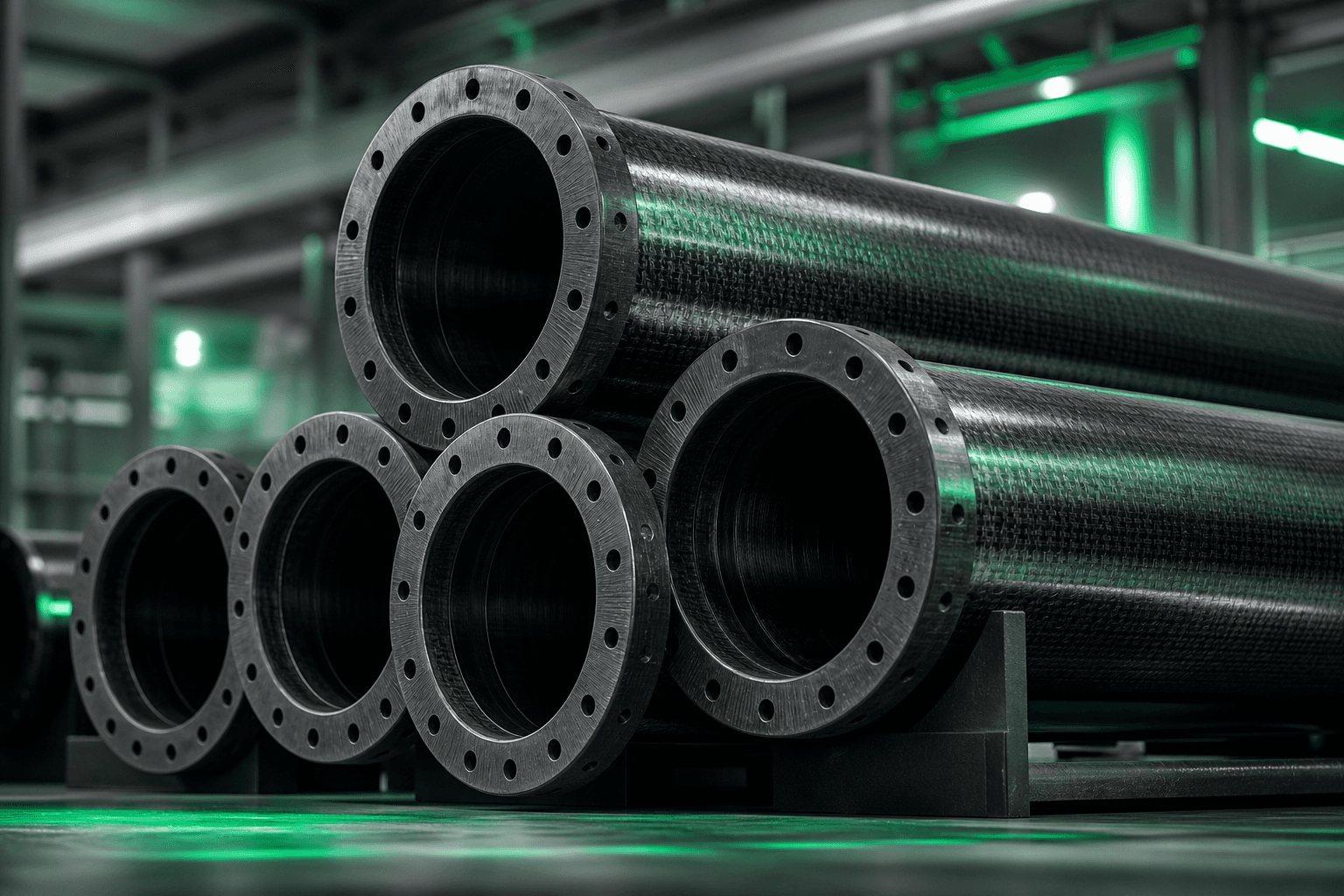
Advanced solutions for the energy sector
Basalt oil & gas pipeline product
Basalt oil and gas pipelines represent a new generation of energy transport solutions, combining high mechanical strength, exceptional corrosion resistance, and long operational life. They have been developed to meet the growing demands of the oil and gas sector in the most challenging operating environments.
Basalt oil & gas pipeline product
Main applications
- Crude oil transmission lines
- Natural gas transmission lines
- Water injection systems in oil fields
- Petroleum derivatives distribution networks
- Marine applications and high-salinity environments
- Refineries and petrochemical facilities
- Energy sector infrastructure
Properties & advantages
- Superior corrosion and rust resistance
- High pressure and load-bearing capacity
- Exceptional durability and wear resistance
- Lower weight than conventional metal pipelines
- Natural thermal and electrical insulation properties
- Reliable performance in harsh environments
- Low operating and maintenance costs
Service life & maintenance
Basalt pipelines are designed to provide an operational life that may exceed 50 years under appropriate design and operating conditions. Thanks to their high resistance to corrosion and environmental factors, they require minimal periodic maintenance — helping reduce total project lifecycle cost.
General specifications
- Corrosion resistance: Excellent
- Mechanical strength: Very high
- Durability: Exceptional
- Chemical resistance: High
- Maintenance: Very low
- Service life: 50+ years
- Sustainability: High
Why basalt pipelines?
They offer an ideal blend of performance, reliability, and economic sustainability — a smart choice for modern oil and gas projects.
Final technical properties depend on the basalt pipeline system used, project requirements, and specific operating conditions.
Why choose basalt materials?
Corrosion & chemical resistant
Naturally resistant to alkali, acids, rust and salt — moisture from concrete never causes spalling. Ideal for maritime and aggressive environments.
Fire resistant
Non-combustible with stable performance from −260°C to +700°C — no toxic fumes, even under open flame.
Stronger & lighter
Twice the tensile strength of steel at around one-fifth the weight, cutting structural load, logistics and installation effort.
Lower carbon footprint
On average 60% less CO₂ in the final concrete structure thanks to optimized production, logistics and material use.
Lower project cost
Equal-strength replacement competes with steel on price, while savings on logistics and installation reduce overall project cost.
Non-conductive & durable
Dielectric and non-magnetic — perfect for MRI suites, data centres and RF-sensitive buildings, with far greater structural longevity.